
Global Oil Prices Drop as Strait of Hormuz Shipments Return to Normal Levels
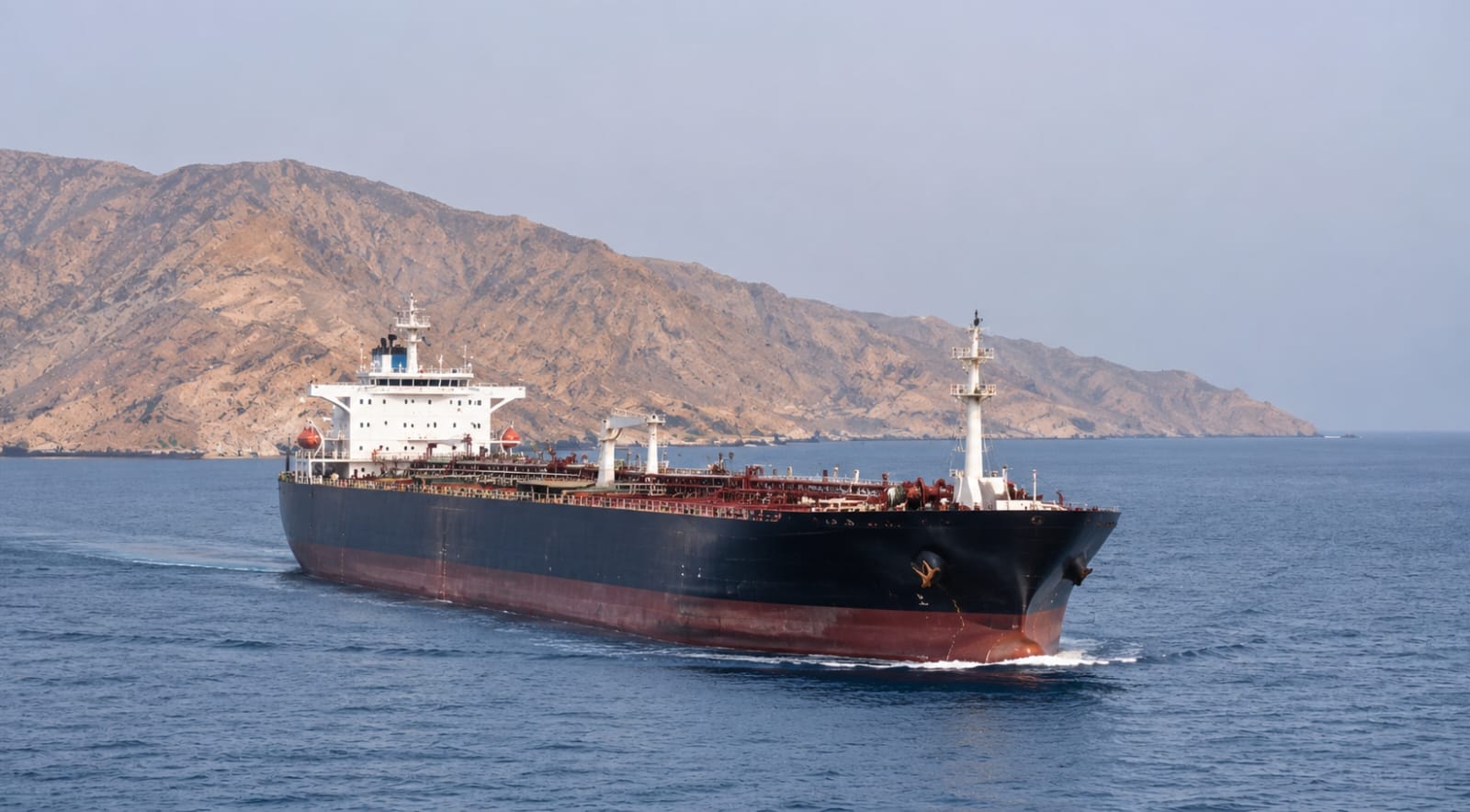
Global oil prices have fallen sharply today as oil shipments from the Middle East return close to normal levels. Energy traders are responding to positive shipping data showing that the number of oil tankers passing through the important Strait of Hormuz has almost returned to pre-war levels. This has reduced fears of a major global oil shortage. As a result, Brent crude, the international oil benchmark, fell to $95.37 per barrel, while U.S. West Texas Intermediate (WTI) crude dropped to $88.33 per barrel.
International Energy Agency Predicts Global Oil Surplus
Along with the recovery of oil shipments through the Middle East, a major change in global supply forecasts is putting further pressure on oil prices. The International Energy Agency (IEA) has changed its earlier prediction of an oil shortage. It now expects the world to produce more oil than it consumes during the final three months of the year. According to its latest forecast, global oil production could reach 105 million barrels per day, creating a surplus of around 1.7 million barrels per day above global demand.
This change from an expected shortage to a possible supply surplus has reduced concerns in the oil market. When oil production is higher than demand, buyers have less reason to purchase extra supplies or store large amounts of crude oil. The agency has also confirmed plans to release 71 million barrels from emergency reserves by the end of February. This additional supply is expected to provide support if unexpected problems affect oil shipments during the winter months.
What Lower Oil Prices Mean for the Global Economy
The return of normal shipping through the Strait of Hormuz and the increase in global oil supply could bring major changes to the energy market. During recent regional conflicts, fears of blocked shipping routes pushed oil prices higher. This increased costs for transport, factories, and consumers around the world. Now, with oil prices falling below $100 per barrel, countries that depend on imported oil could get some financial relief. Lower energy costs may also help reduce inflation as the new year approaches.
For consumers and businesses, the main question is whether oil prices will continue to fall in the coming months. Normal shipping routes, higher oil production, and the release of emergency reserves could help keep the market stable. However, oil prices can still change quickly because of political tensions and unexpected events. The decisions of major oil-producing countries about their production levels will also play an important role in determining whether prices continue to fall.
Source: Analysis and reporting by the Fyrim, based on International Energy Agency market data and reporting by Iran International.