Content

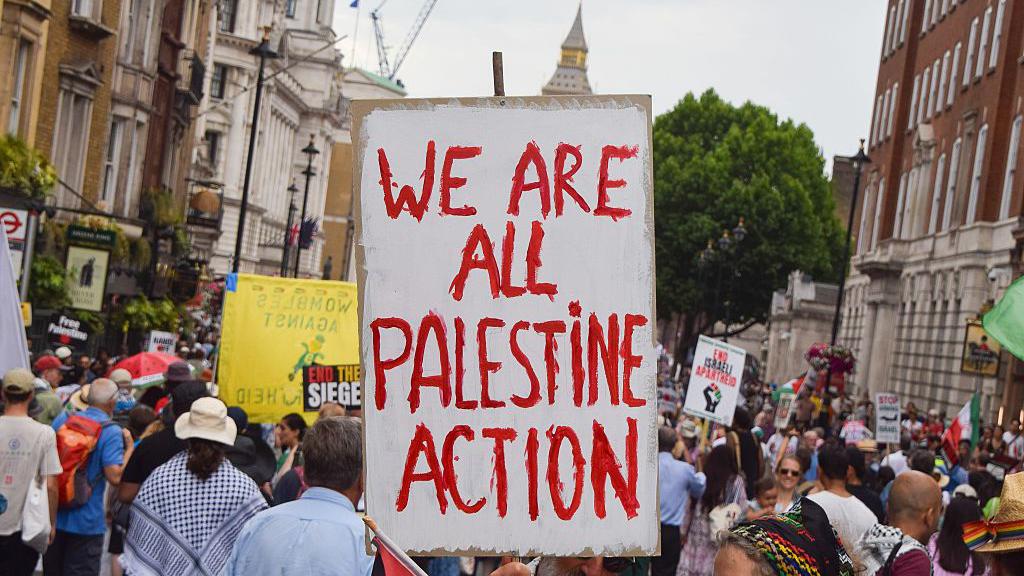
The High Court in the United Kingdom has ruled that the government’s ban on Palestine Action as a “terrorist organisation” was unlawful and went too far. The case was brought by the group’s cofounder, Huda Ammori, who challenged the government’s decision. After the ruling, she described it as a major victory for freedom of speech in Britain and for supporters of Palestinian rights. She called the ban an extreme attack on free expression. The British government quickly responded, saying it disagrees with the court’s decision and plans to appeal. Home Secretary Shabana Mahmood said banning the organisation was not disproportionate and confirmed the government will challenge the ruling in the Court of Appeal. For now, the ban remains in place while the appeal process begins. The court has scheduled a hearing on February 20 to decide whether the government has grounds to move forward with its appeal. Even though it is still technically a criminal offence to be a member of or support Palestine Action, the Metropolitan Police indicated that officers are unlikely to arrest people simply for showing support until the legal situation becomes clearer. The UK government had announced last June that it would classify Palestine Action under anti-terrorism laws, placing it alongside armed groups such as al-Qaeda and ISIL. This meant that being a member of or publicly supporting the group could lead to criminal charges. The decision came after activists linked to the group claimed responsibility for breaking into a Royal Air Force base in Oxfordshire and spraying military aircraft with red paint. The move sparked legal challenges, protests, and criticism from human rights organisations. Critics argued that the ban criminalised peaceful political protest and was an excessive use of government power. The appeal process could take months or even years, leaving uncertainty over the future of the organisation and those who have been arrested for supporting it.