
Fico Calls German Pressure Over Ukraine Funding 'Blackmail'
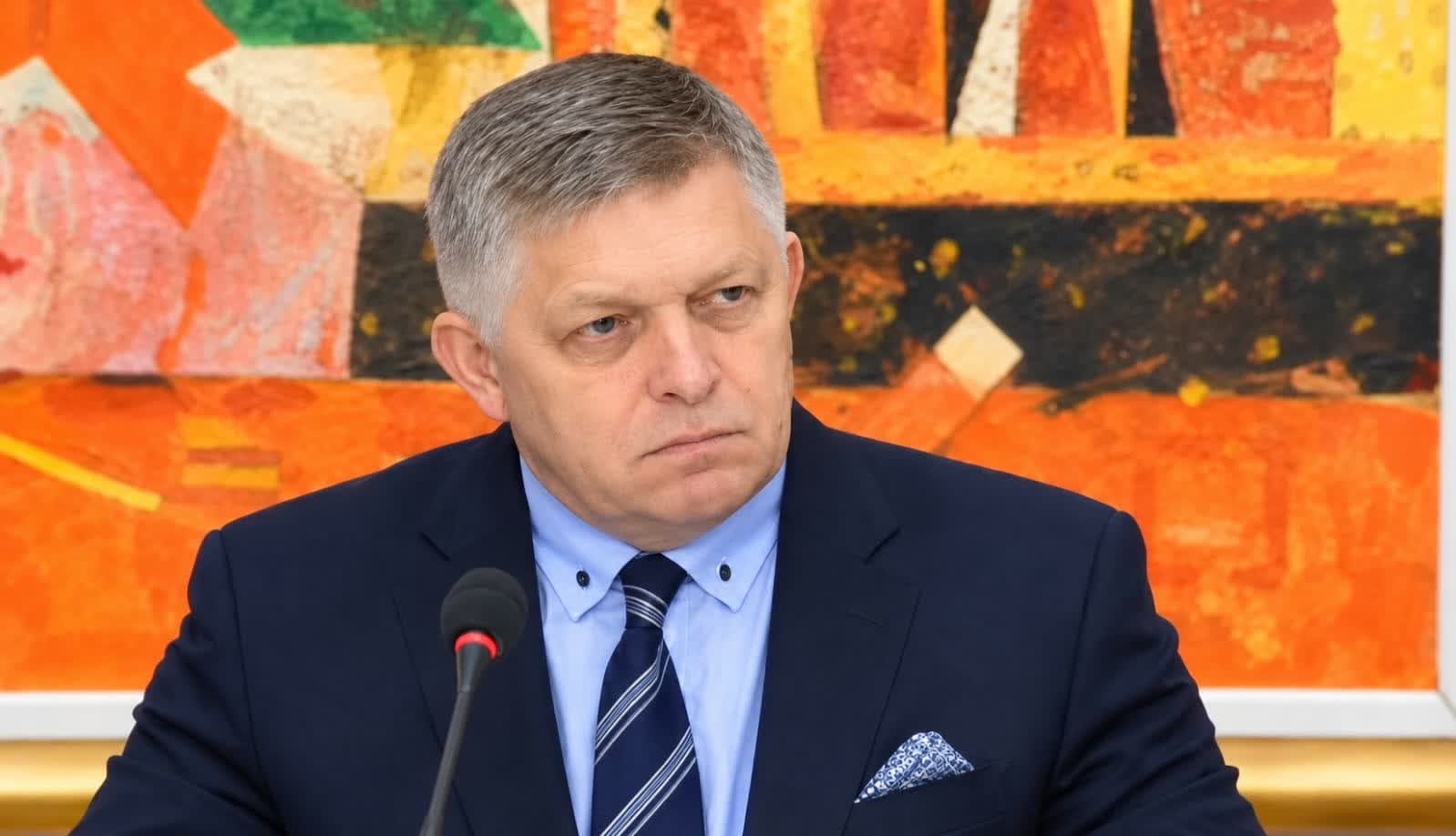
Slovak Prime Minister Robert Fico has criticized Germany's reported threat to block the European Union's upcoming budget unless all member states agree to support funding for Ukraine.
Fico described the pressure as political blackmail and said Slovakia has the right to make its own foreign policy decisions.
He also pointed out that Slovakia, the Czech Republic, Hungary, and Bulgaria are not willing to provide the requested credit guarantees for Ukraine.
Slovakia Defends Its Position on Ukraine Funding
Fico said Slovakia is an independent country and should be free to decide how it approaches the war in Ukraine.
He criticized attempts to connect approval of the EU's long-term budget with financial support for Kyiv.
According to Fico, EU member states should be able to make their own decisions instead of facing pressure from larger countries.
Slovakia has repeatedly expressed concerns about providing additional financial and military support to Ukraine.
The Slovak government argues that national interests and financial responsibilities must be considered before making such commitments.
Four Countries Oppose EU Credit Guarantees
Slovakia is not alone in opposing the proposed financial arrangements.
The Czech Republic, Hungary, and Bulgaria have also reportedly refused to support the requested EU credit guarantees for Ukraine.
These guarantees could make participating countries responsible for covering financial risks if the loans are not repaid.
The four countries are concerned about the possible financial responsibilities for their governments and taxpayers.
Their position could make it more difficult for EU leaders to reach an agreement on future funding for Ukraine.
Czech Prime Minister Rejects Linking Ukraine Aid to EU Budget
Czech Prime Minister Andrej Babiš has also spoken against connecting Ukraine's financial support with approval of the European Union budget.
According to reporting by the Czech news outlet Deník N, Babiš said the two issues should be discussed separately.
His position is similar to Fico's argument that countries should not be forced to accept Ukraine funding as a condition for approving the wider EU budget.
This disagreement has created another challenge for European leaders trying to reach a common position.
What This Means for the European Union
The disagreement highlights growing differences among EU member states over financial support for Ukraine.
The EU's long-term budget requires unanimous approval from all member states. This means disagreements between governments can delay the entire process.
If the countries maintain their opposition, negotiations could become more difficult.
The coming discussions will show whether European leaders can reach a compromise on Ukraine funding while addressing the financial concerns of member states.
Source:
Analysis and reporting by the Fyrim, based on regional European press briefings.