
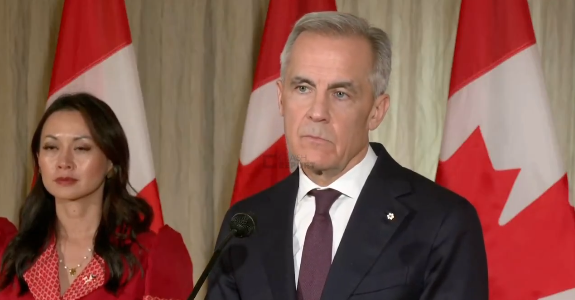
Mark Carney Reaffirms Canada's Support for NATO and Rejects Russia's Security Demands
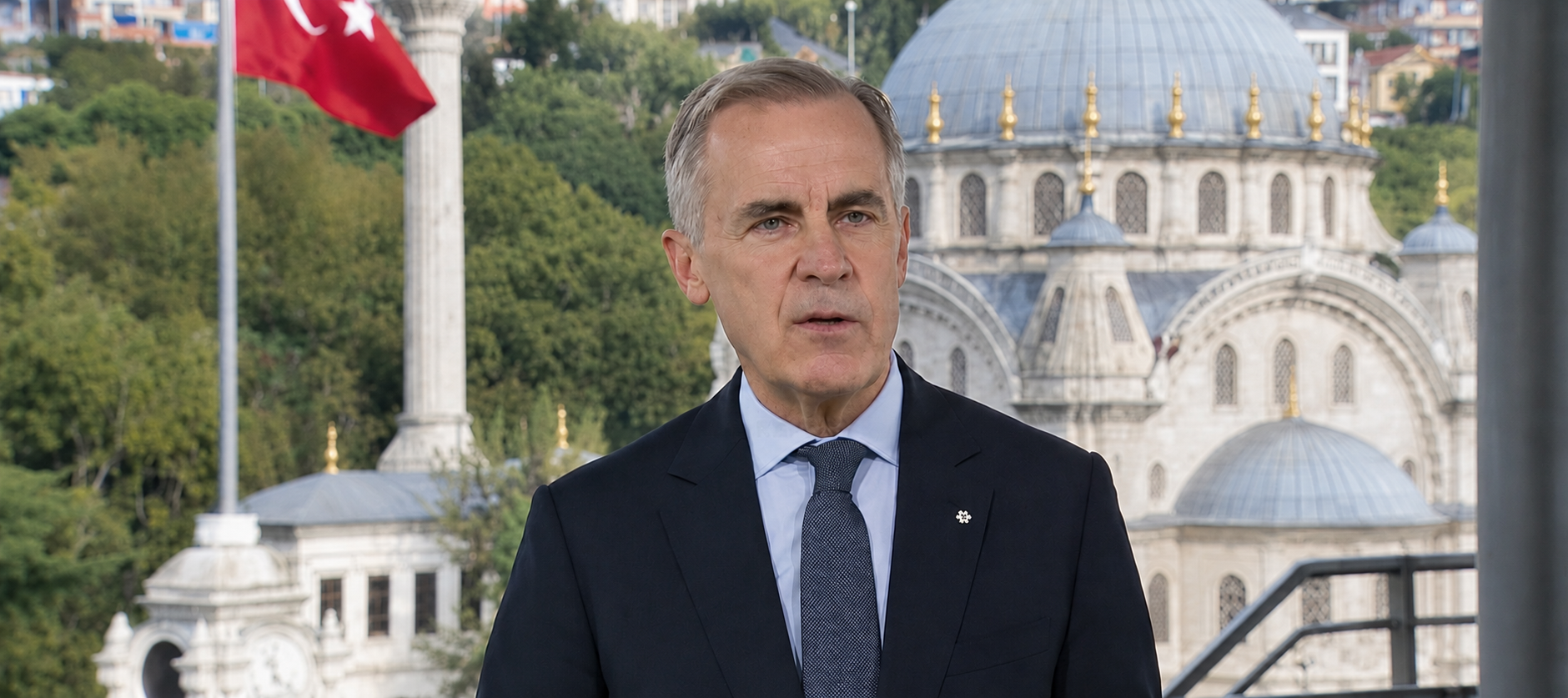
Canadian Prime Minister Mark Carney has strongly reaffirmed Canada's commitment to NATO, saying his country will continue to stand with its allies and oppose Russia's attempts to gain greater control over Eastern Europe. During a diplomatic visit to Asia, Carney stressed that European countries must have the freedom to decide their own security arrangements without pressure from Moscow.
Carney made it clear that Canada will not support any agreement that gives Russia control over the security decisions of neighboring countries. He also warned against repeating past diplomatic mistakes, including the Minsk agreements, which failed to bring lasting peace to eastern Ukraine.
The Canadian prime minister's remarks come as Western countries continue to discuss the future of European security and how to respond to Russia's war against Ukraine. He emphasized that NATO and European democracies must play the leading role in deciding the continent's future.
Carney also highlighted Canada's military and economic importance to its international partners. He pointed to the country's military presence in Latvia, its energy resources, and its supplies of critical minerals as important contributions to Western security.
Canada Rejects Russia's Demand for a Buffer Zone
One of the main points in Carney's remarks was his rejection of the idea that Russia should have a special security zone around its borders.
Moscow has repeatedly raised concerns about NATO's expansion and Western military activities near Russian territory. However, Carney argued that Russia should not be allowed to decide which countries can join security alliances or how neighboring nations protect themselves.
He stressed that European countries have the right to make their own decisions about defense and international partnerships. According to his position, the future of European security should be decided by European democracies and NATO members, not through agreements forced by Russia.
Carney also referred to the Minsk agreements, which were designed to reduce fighting in eastern Ukraine after the conflict began in 2014. Despite diplomatic efforts, those agreements failed to establish lasting peace.
He warned that Western governments should learn from the past rather than accept another arrangement that could leave countries vulnerable to future Russian pressure.
His comments reflect Canada's continued support for Ukraine's independence and the right of European nations to protect their sovereignty.
Canada's Military Role in Latvia
Carney also pointed to Canada's direct military contribution to European security.
Canada leads a multinational NATO brigade in Latvia, where approximately 2,500 troops are stationed as part of efforts to protect NATO's eastern flank. The military presence is designed to discourage possible aggression and strengthen the alliance's ability to respond to security threats.
Latvia shares a border with Russia and Belarus, making its security particularly important for NATO. Canada's leadership of the multinational force demonstrates that Ottawa is willing to support its European allies through direct military involvement.
The deployment also reflects NATO's collective defense principle. Under Article 5 of the alliance's founding treaty, an armed attack against one NATO member is considered an attack against all members.
Carney's comments reinforce Canada's position that protecting NATO's eastern members is not just Europe's responsibility. He believes Canada must continue contributing to the alliance's security and maintaining its military commitments.
Canada Highlights Its Energy and Mineral Resources
Beyond military cooperation, Carney described Canada as an important economic partner for countries seeking reliable sources of energy and natural resources.
Canada has large reserves of oil, natural gas, minerals, and other natural resources. It also has significant clean electricity production, including hydroelectric power.
Carney argued that these resources make Canada a valuable partner for European countries and other Western allies that want to reduce their dependence on potentially unreliable suppliers.
He also highlighted the importance of critical minerals. These materials are needed to manufacture modern technology, electric vehicle batteries, computer equipment, and advanced military systems.
As countries compete to secure supplies of these resources, Canada's mineral reserves could become increasingly important for international trade and defense industries.
Carney's message was that Canada can contribute to Western security through more than military forces. Its natural resources, energy production, and intelligence capabilities also make it an important partner.
Carney Says Canada Keeps Its International Commitments
Another important part of Carney's remarks was his emphasis on Canada's reputation as a country that respects its international agreements.
He presented Canada as a reliable partner that takes its responsibilities seriously and maintains its commitments to allies.
This message is important at a time when international relationships are facing pressure from changing political priorities, security disagreements, and economic competition.
Carney's position suggests that Canada wants to strengthen trust with its partners by showing that its military, political, and economic commitments can be relied upon.
He also made clear that Canada's support for NATO would remain strong despite disagreements with Russia.
Carney Agrees to Stand Alongside Putin for Summit Photo
Despite his strong criticism of Russia's security demands, Carney confirmed that he would participate in an official summit group photograph alongside Russian President Vladimir Putin.
The decision attracted attention because of the clear differences between Canada's position and Moscow's policies.
However, Carney explained that taking part in the photograph was a matter of respecting the Asian country hosting the international summit.
His decision does not mean that Canada is changing its position toward Russia or accepting Moscow's demands. Instead, it reflects the importance of diplomatic traditions and maintaining respect for the host country during international events.
Such meetings often bring together leaders who have serious disagreements. Participating in official ceremonies allows diplomatic communication to continue even when political tensions remain high.
What Carney's Remarks Mean for NATO and Europe
Carney's statements send a strong message that Canada intends to remain an active member of NATO and continue supporting European security.
His rejection of a Russian buffer zone reflects Canada's position that every country should have the right to decide its own future without outside pressure.
The remarks also highlight Canada's wider role in international affairs. Through its military presence in Latvia, energy resources, critical minerals, and intelligence capabilities, Canada wants to remain an important partner for Western countries.
As discussions about Europe's future security continue, Canada's position is clear: NATO allies must stand together, European democracies must make their own decisions, and Russia should not be allowed to control the security choices of neighboring nations.
Source: Fyrim analysis based on public remarks by Canadian Prime Minister Mark Carney.